


Why Choose a White Base Cabinet for Your Kitchen Remodel?
How to Choose a White Base Cabinet That Works for Your Space
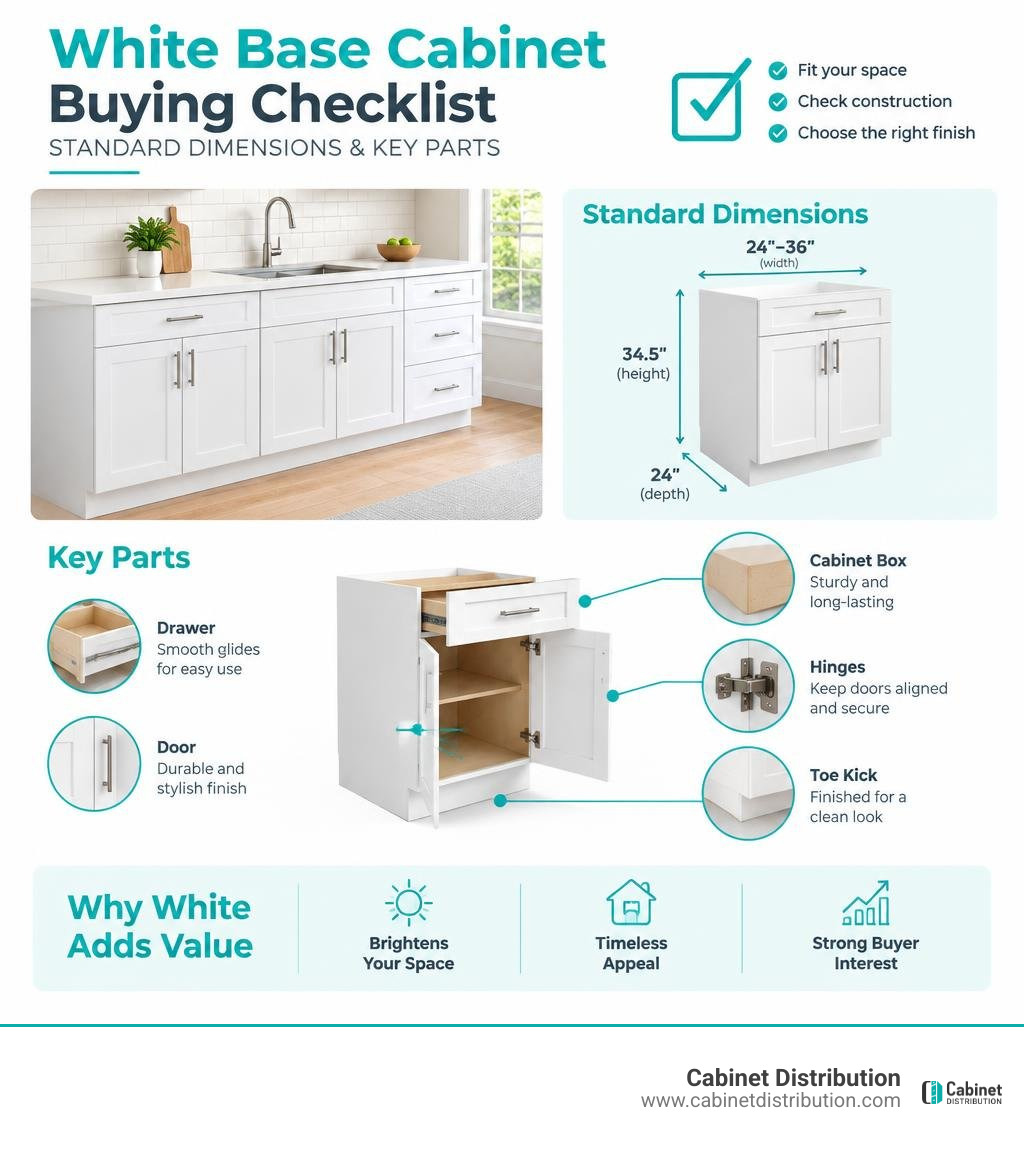
Choose white base cabinets by checking fit, construction, and finish first. Measure your space, then pick the units you need for drawers, a sink, or a waste bin. Look for sturdy cabinet boxes, smooth drawer glides, and a finish you can wipe clean. White pairs easily with many counters and hardware styles, but chips and cooking grease may show, so keep the finish in mind if your kitchen gets heavy use. For a broader look at how lower units fit into a full remodel, the Kitchen cabinet overview explains standard construction and layout conventions.
Updated for October 2026 kitchen design and building standards, this guide will help you compare cabinet construction methods, qualify trade-offs, and plan a practical layout based on verified material specifications.
Why Choosing a White Base Cabinet Enhances Kitchen Value and Design
White cabinetry consistently ranks among the most popular choices in kitchen renovations. The primary reason is longevity. Trends shift from bold accent colors to darker wood stains, but white lower units consistently provide a clean, reflective base that brightens spaces of any footprint. Design professionals favor neutral white or off-white cabinetry because it acts as an adaptable architectural foundation, allowing you to update wall colors, tile backsplashes, and hardware over time without replacing the primary cabinetry.
From a real estate perspective, professional appraisers and market reports often note that clean, neutral cabinetry contributes positively to buyer appeal, with updated kitchens offering strong cost-to-value returns compared to spaces fitted with dated or heavily personalized finishes. Potential buyers generally perceive bright, neutral kitchens as move-in ready and easier to customize.
When budgeting and planning your layout, kitchen base cabinetry costs vary based on construction quality, materials, and internal hardware configurations, with ready-to-assemble options offering solid wood and plywood builds at accessible price points compared to custom millwork.
| Cabinet Category | Construction Grade | Distribution Type | Best Suited For |
|---|---|---|---|
| Standard RTA Base | All-plywood box, solid hardwood face frame, HDF center panel | Ready-to-assemble flat pack | DIYers, efficient remodels, general storage |
| RTA Drawer Base | Dovetail hardwood drawers, soft-close undermount glides | Ready-to-assemble flat pack | Cookware, dinnerware, high-traffic storage |
| RTA Sink Base | Reinforced sub-frame, open plumbing clearance | Ready-to-assemble flat pack | Deep undermount sinks, garbage disposals |
| RTA Specialty Base | Integrated trash pullouts, spice racks, tray organizers | Ready-to-assemble flat pack | Functional kitchen workflows, narrow spaces |
Materials, Construction, and Door Styles for White Lower Units
A lower unit must withstand heavy daily use, from holding heavy countertop slabs to absorbing foot traffic, spills, and kicks. The cabinet box must maintain structural squareness over decades.
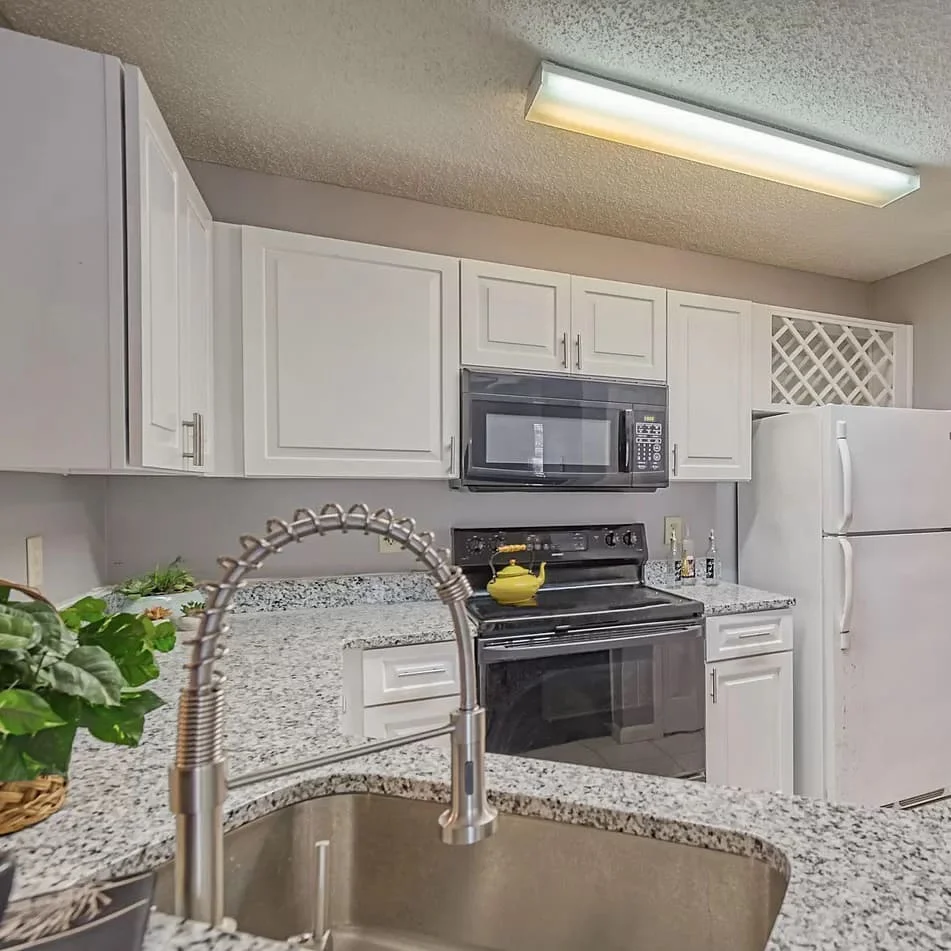
High-grade white base units combine specific structural materials:
- Plywood Box Construction: Multi-layer, 1/2-inch to 3/4-inch furniture-grade plywood provides excellent dimensional stability and holds screws tightly. It resists sagging under natural stone or engineered quartz counters and handles humidity shifts better than particleboard.
- Solid Hardwood Face Frames: A solid birch or maple 3/4-inch face frame reinforces the front opening, keeping doors aligned and preventing rack distortion when mounting adjacent boxes.
- High-Density Fiberboard (HDF) Center Panels: While solid wood face frames provide rigidity, door center panels benefit from furniture-grade HDF. HDF does not expand and contract with seasonal humidity changes, which prevents painted seams from hairline cracking or showing paint separation lines around the stile and rail joints.
- Factory Baked-On Enamel Finishes: Multi-stage, oven-cured finishes create a resilient barrier against kitchen grease, moisture, and everyday cleaning.
- Dovetail Drawer Boxes and Soft-Close Hardware: Solid wood drawer boxes with interlocking dovetail joints prevent drawer box separation under heavy cookware loads. Full-extension undermount drawer slides with integrated soft-close dampening protect face frames from repetitive slamming.
Selecting the Right White Base Cabinet Configuration and Drawers
Base cabinets feature a standard depth of 24 inches and a height of 34.5 inches (reaching 36 inches with standard 1.5-inch countertops installed). Choosing the right mix of doors, pullouts, and drawer banks ensures your storage meets your daily cooking workflow.

- Standard Door and Drawer Combos: For general pot and pantry storage, a 30-inch double door base cabinet offers wide, adjustable shelf access. When filling narrower gaps between appliances, a compact 15-inch single door base cabinet handles baking sheets, oils, or spice racks easily.
- Drawer Banks: Deep drawer banks eliminate the need to reach into dark lower shelves. Installing a dedicated 30-inch 3-drawer base unit keeps everyday cutlery in the shallow top tier and dinnerware in the deep lower drawers. For heavy Dutch ovens and cast-iron skillets, an expansive 36-inch two-drawer deep base provides unobstructed, high-capacity storage.
- Specialty Sink and Utility Bases: A clean sink zone requires dedicated plumbing clearances. A 36-inch sink base cabinet features an open upper interior and false drawer fronts to easily clear deep undermount sinks and garbage disposals. Keep kitchen trash hidden away from your island run by incorporating an integrated waste basket base cabinet with smooth, heavy-duty pullout slides.
Shaker vs. Slab: Matching Your Interior Style
Door profiles establish the design tone of your entire kitchen. The classic recessed center panel of our timeless white shaker cabinet line pairs well across multiple interior aesthetics, including:
- Transitional Designs: Combining clean Shaker lines with contemporary solid-surface counters balances traditional warmth with modern simplicity.
- Modern Farmhouse: Shaker profiles provide the architectural texture needed to complement apron-front sinks, open natural wood shelving, and vintage hardware.
- Contemporary Slab Doors: Flat-panel slab designs offer smooth, continuous surfaces that work well in minimalist urban spaces.
- Under-Cabinet and Toe-Kick Lighting: Adding recessed, diffused LED channels beneath base cabinet perimeters highlights floor finishes and provides useful task illumination for nighttime pathways.
Pairing Hardware, Countertops, and Finishes
White lower cabinetry functions as a blank canvas, allowing you to define the room's character using complementary countertops and hardware accents.
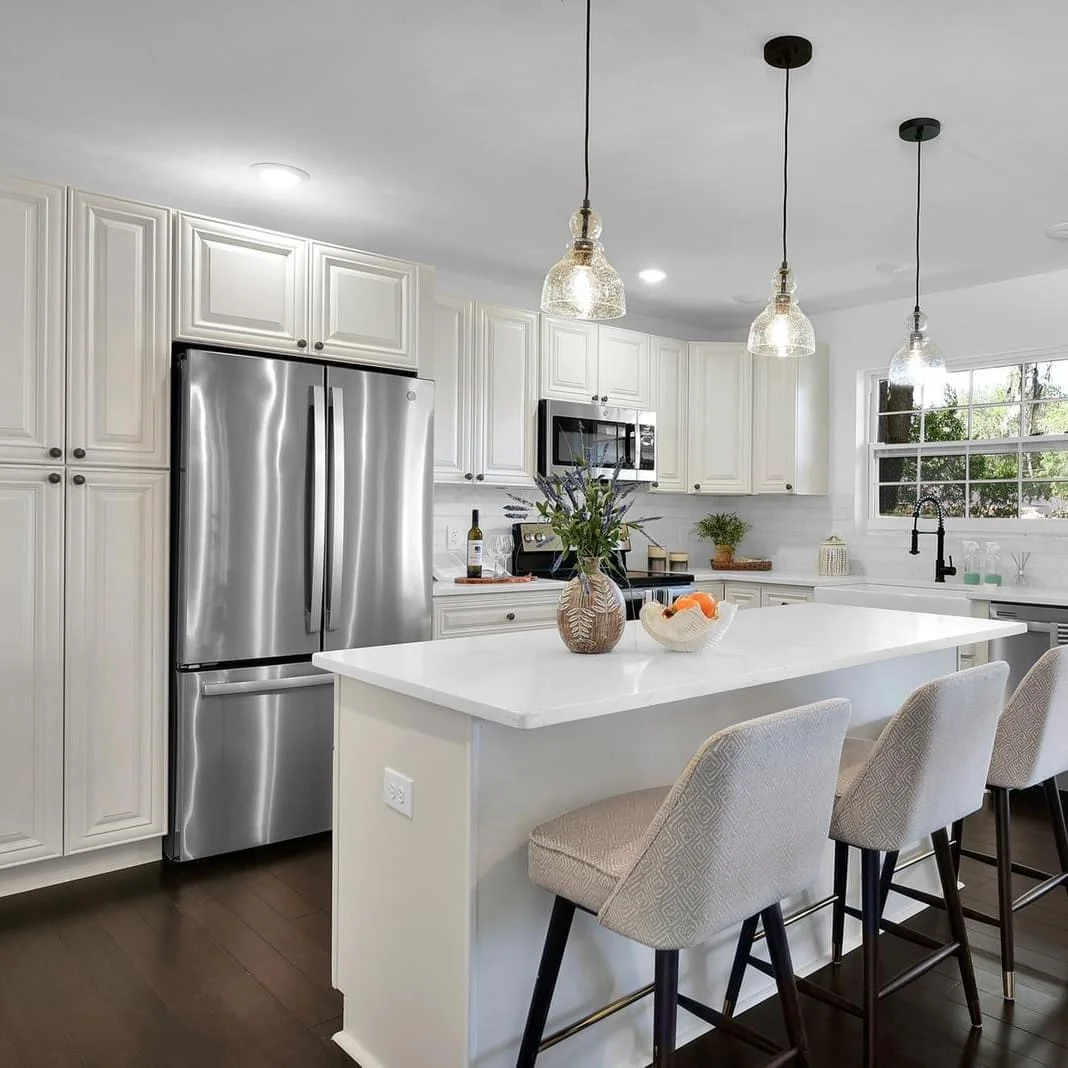
- Matte Black Hardware: Creates bold, graphic contrast against pure white door frames, grounding the lower perimeter in modern and industrial spaces.
- Brushed Brass and Warm Bronze: Adds warmth and soft luxury, offsetting cool white paint tones without appearing overly shiny.
- Polished Chrome and Brushed Nickel: Delivers a clean, classic finish that blends with stainless steel ranges, refrigerators, and dishwashers.
- Engineered Quartz Countertops: White, marble-veined quartz provides an elegant, stain-resistant work surface that resists acidic spills and requires no routine sealing.
- Butcher Block Countertops: Natural oak, walnut, or maple counters introduce organic warmth, preventing an all-white kitchen from feeling sterile.
- Honed Soapstone or Dark Granite: Charcoal and deep black surfaces provide rich, high-contrast visual grounding against lower white casework.
Sizing and Installing Your White Base Cabinet for Longevity
Proper installation protects the structural integrity of your cabinetry and prevents premature countertop failure. Heavy quartz or granite slabs require a level foundation to avoid localized pressure points that can crack stone seams.
- Map the High Point of the Floor: Use a digital laser level to locate the highest point along your base perimeter. Mark a level reference line on the wall studs at 34.5 inches above this high spot.
- Shim for Level Support: Set each cabinet in place, using composite shims underneath the structural floor rails to align the top edge with your laser line. Never force cabinet boxes together if the floor drops; bridge the gap with sturdy shims directly below the side gables.
- Fasten to Studs: Drive cabinet mounting screws through the rear structural hanging rail into wall studs. Verify that every screw penetrates at least 1.5 inches into solid framing.
- Clamp and Connect Face Frames: Clamp adjacent face frames flush using protective cabinet clamps, then drive self-tapping frame screws to eliminate gaps between units.
- Use Fillers for Clearances: Install a 34.5-inch base filler strip against walls or blind corners so drawers and appliance doors open fully without hitting door trim or handles.
- Add Trim and Base Molding: Conceal floor shims and create a built-in look by installing decorative matching base molding along your toe-kick spaces.
Preventing Discoloration and Maintenance Tips
Maintaining factory-fresh white paint finishes requires regular care and attention to environmental factors:
- Shield from Direct UV Sunlight: Prolonged exposure to intense sunlight can degrade clear topcoats over time. Use low-E window treatments, solar shades, or UV-filtering glass coatings in south-facing kitchens.
- Maintain Proper Cooking Ventilation: Turn on your range hood whenever you cook. Airborne cooking oils and grease particles attract dust, settle on lower cabinet surfaces, and oxidize into stubborn yellow films if left uncleaned.
- Use Gentle Daily Cleaning Methods: Wipe spills immediately using a soft microfiber cloth dampened with warm water and a small amount of mild, pH-neutral dish soap. Avoid abrasive scouring pads, bleach, ammonia, and harsh multi-surface sprays, which can erode the factory sheen.
- Keep Factory Touch-Up Paint on Hand: Keep a factory-matched touch-up pen or small paint pot nearby to seal minor edge nicks, preventing moisture from penetrating exposed wood substrate.
Frequently Asked Questions About White Base Cabinets
How do you prevent white lower cabinets from turning yellow over time?
Preventing yellowing starts with choosing cabinetry with multi-stage, UV-cured conversion finishes that resist sun damage. Always run your range hood exhaust while cooking to eliminate airborne grease, and avoid applying oil-based waxes or solvent polishes to factory-painted surfaces.
What is the average cost per linear foot for white kitchen base cabinetry?
Base cabinetry costs vary widely depending on whether you choose stock, ready-to-assemble, semi-custom, or custom units, as well as the box materials, drawer hardware, and internal accessories selected. Opting for ready-to-assemble cabinetry provides substantial savings by supplying flat-packed, all-plywood components directly without traditional showroom markups.
Are white base cabinets hard to keep clean compared to darker finishes?
While white surfaces make sauce drips and food spills visible, they are often easier to maintain day to day than dark or glossy black finishes, which quickly show dust, water spots, and oily fingerprints. With smooth, durable factory finishes, a quick wipe with a microfiber cloth keeps white lower units looking fresh.
Conclusion
Upgrading your kitchen with clean, durable lower cabinetry brings lasting brightness, practical storage, and broad aesthetic appeal to your home. Selecting all-plywood cabinet boxes, solid face frames, and durable finishes ensures your kitchen stands up to daily use. Explore our collection of RTA white shaker kitchen cabinets to start planning your layout with dependable materials and verified specifications.