


Guides
-
Posted: September 23, 2026Categories: Guides
 Posted: September 23, 2026Categories: GuidesRead more »
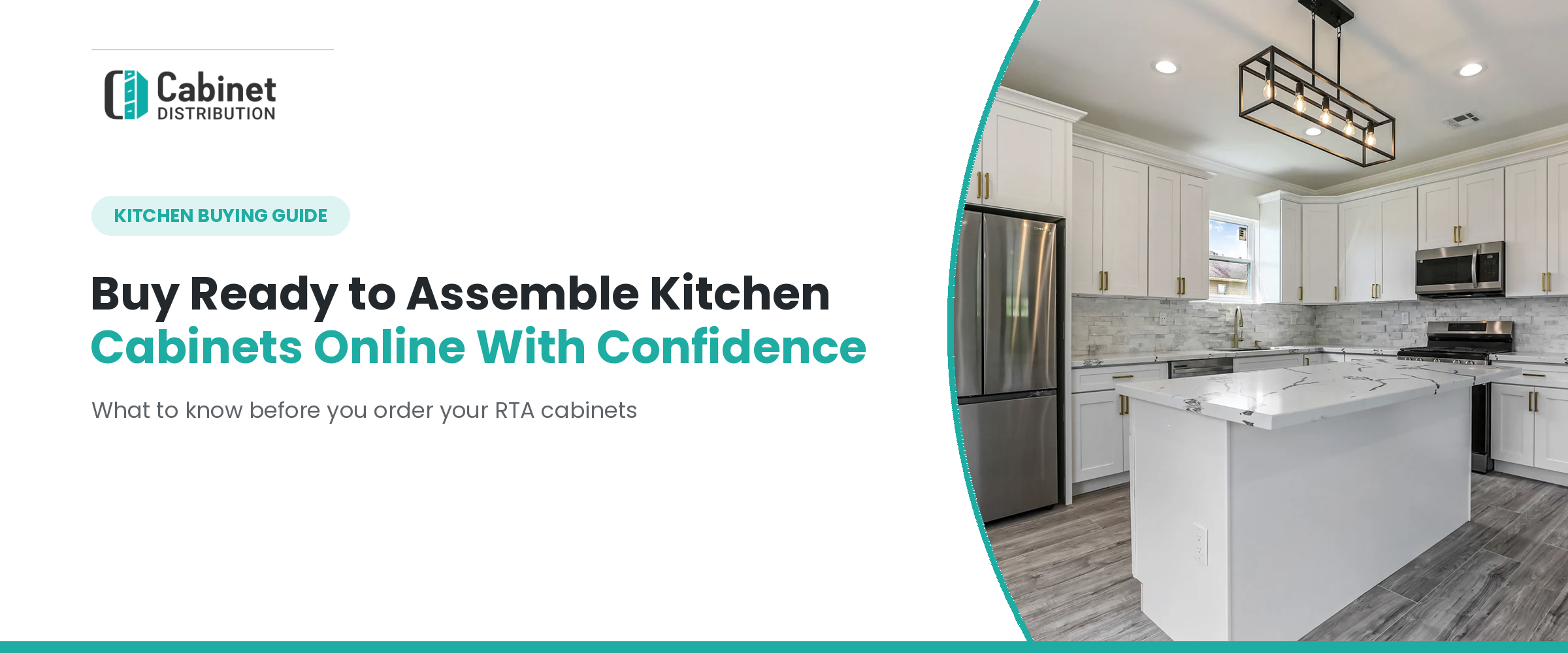
Buy Ready to Assemble Kitchen Cabinets Online With Confidence
To order ready to assemble kitchen cabinets online, start with a measured kitchen plan, choose a cabinet line with durable materials and soft-close hardware, and order a sample door before committing to a full set. Confirm the seller's shipping timeline, inspect every box at delivery, and plan for assembly before installation.
RTA cabinets arrive flat-packed rather than fully built. That lowers shipping and storage costs while giving DIY homeowners access to popular looks such as white shaker, cream, gray, navy, natural wood, and modern slab-door styles. Well-made options can use plywood cabinet boxes, solid-wood face frames, dovetail drawers, and reliable hinges - features that matter far more than whether the cabinet arrived assembled.
Most wall and base cabinets take about 15 to 30 minutes to assemble once you understand the process. A drill, screwdriver, rubber mallet, wood glue,
-
Posted: September 07, 2026Categories: Guides
 Posted: September 07, 2026Categories: GuidesRead more »
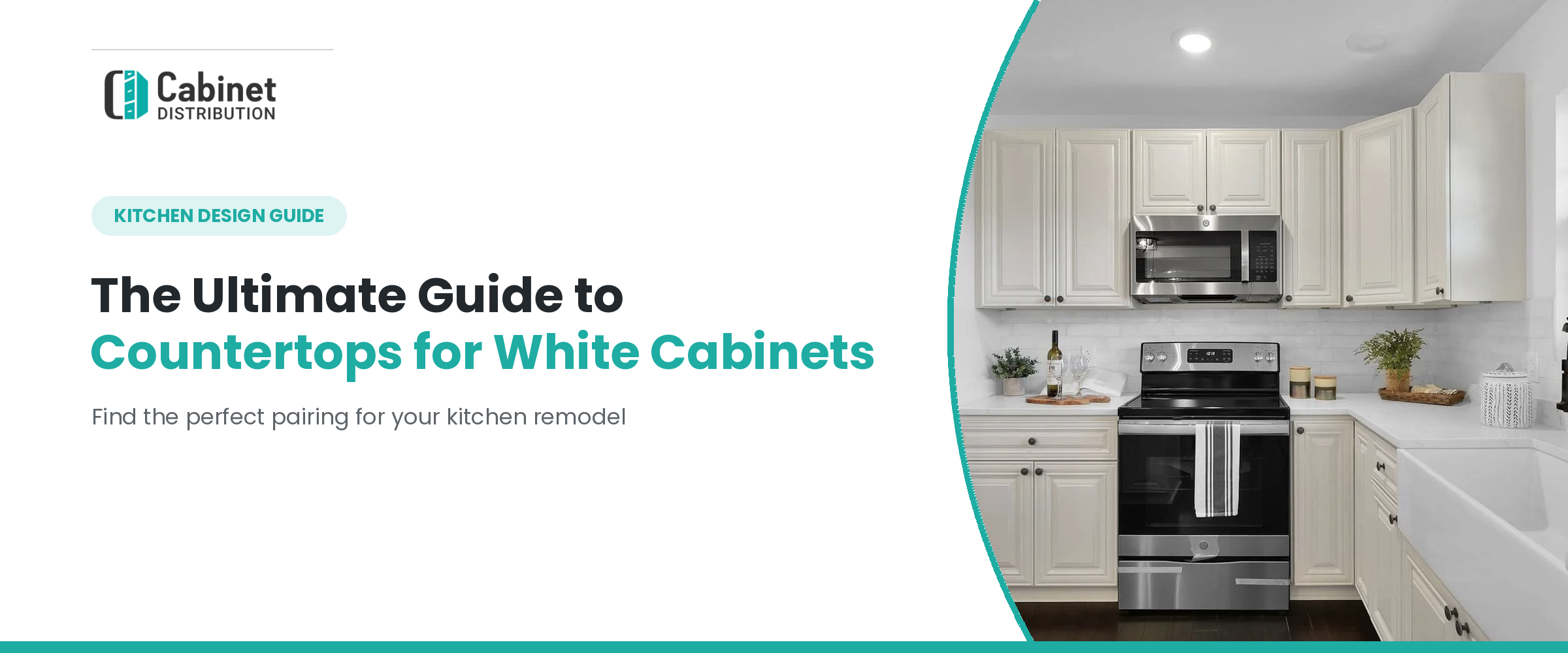
Counter Tops for White Cabinets: A Quick Guide to Getting the Pairing Right
Counter tops for white cabinets look best when their undertones, contrast level, and material fit the room as a whole. The quickest safe choice is usually a light gray or soft greige surface with subtle movement. It keeps the kitchen bright while adding enough definition to avoid an all-white, flat look.
If your cabinets are... Countertop directions that usually work well Warm white or cream Beige, taupe, warm-veined white quartz, gold-flecked granite, butcher block Cool or bright white Crisp white, cool gray, charcoal, black, blue-gray veining Neutral white Light gray, greige, white with soft veining, natural wood, or balanced black White cabinets are flexible, but they also reflect nearby colors.
-
Posted: September 02, 2026Categories: Guides
 Posted: September 02, 2026Categories: GuidesRead more »
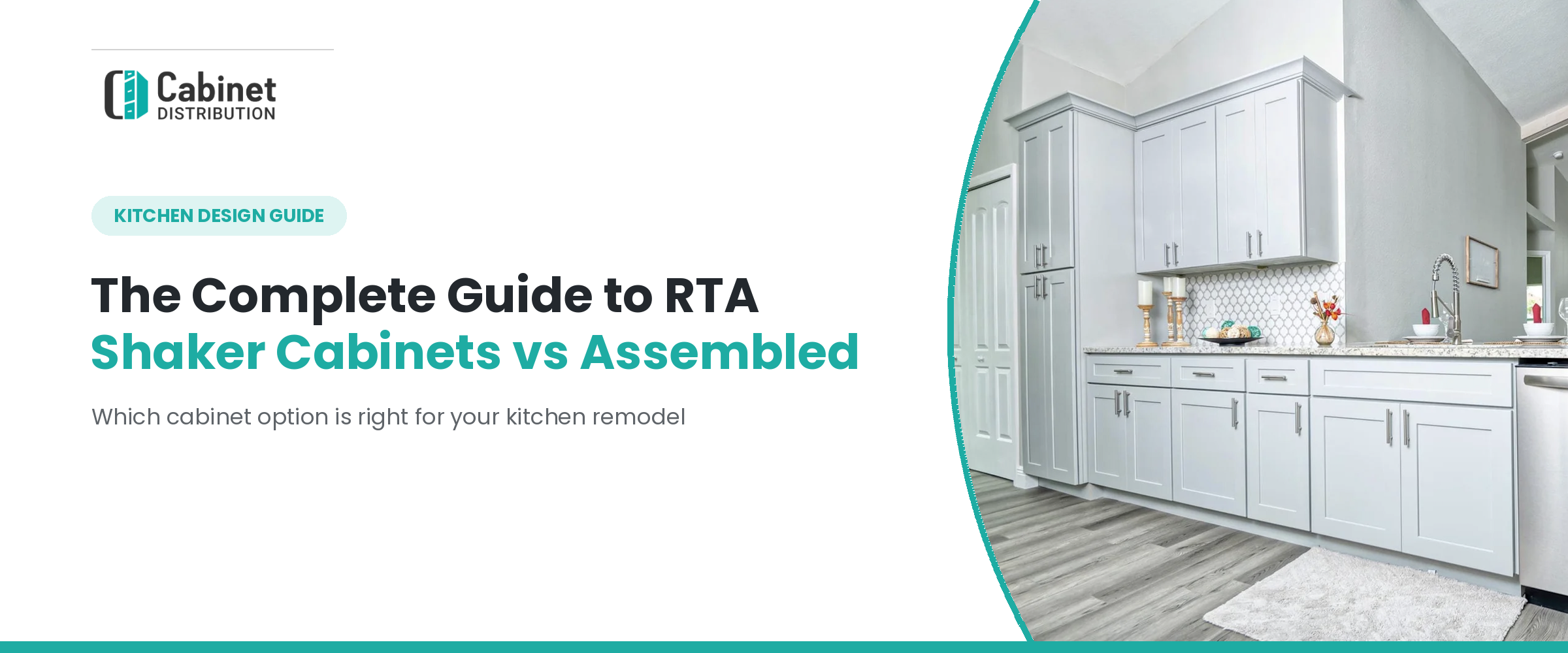
RTA Shaker Kitchen Cabinets: Affordable Style You Can Assemble
RTA shaker kitchen cabinets are flat-pack cabinets shipped in parts for assembly at home, combining the clean, recessed-panel Shaker look with a practical DIY-friendly buying option. They differ from pre-assembled cabinets because they arrive unbuilt, which can make shipping, storage, and handling easier before installation.
Quick answer RTA Shaker cabinets Pre-assembled cabinets Arrive Flat-packed in boxes Fully built Best for Budget-aware DIY remodels Faster install with less assembly Style Simple frame-and-panel Shaker doors Available in many styles Main tradeoff Requires careful assembly Requires more delivery and handling space -
Posted: August 31, 2026Categories: Guides
 Posted: August 31, 2026Categories: GuidesRead more »
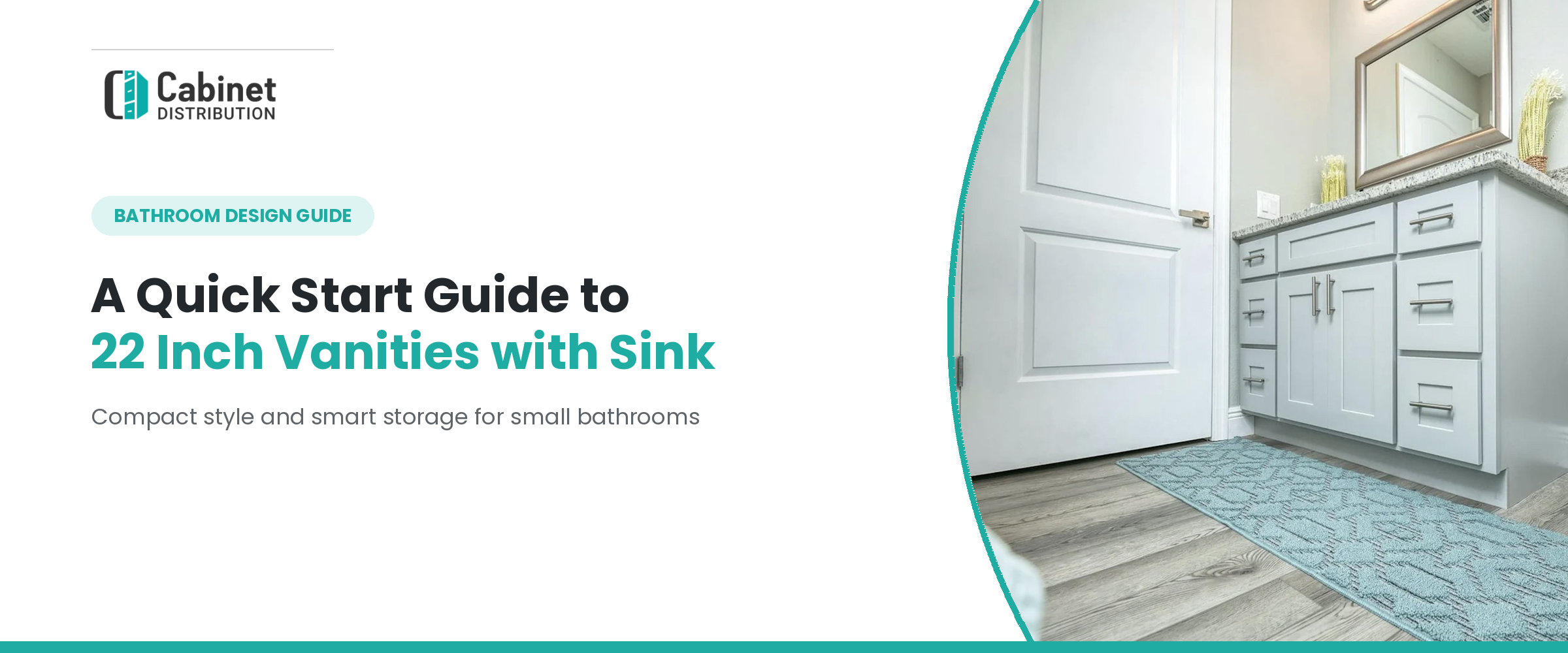
Find the Right 22 Inch Bathroom Vanity with Sink for a Small Bathroom
Look for these essentials:
- A vanity width close to 22 inches, with enough clearance to open doors or drawers
- A shallow depth, often around 16 to 17 inches, for narrow bathrooms
- An integrated or undermount sink to preserve counter space
- A drawer, soft-close door, or open shelf for everyday storage
- A wall-mounted design if you want to show more floor and make the room feel larger
Be careful with product labels: a 22-inch sink is not always made for a 22-inch vanity. For example, a 22-by-22-inch drop-in sink may require a cabinet base at least 27 inches wide. In most compact bathrooms, a vanity top designed as a matched sink-and-cabinet combo is the simpler choice.
This quick-start guide will help you compare compact styles, sink types, materials, storage layouts, and installation needs so you can make a small vanity work harder
-
Posted: July 15, 2026Categories: Guides
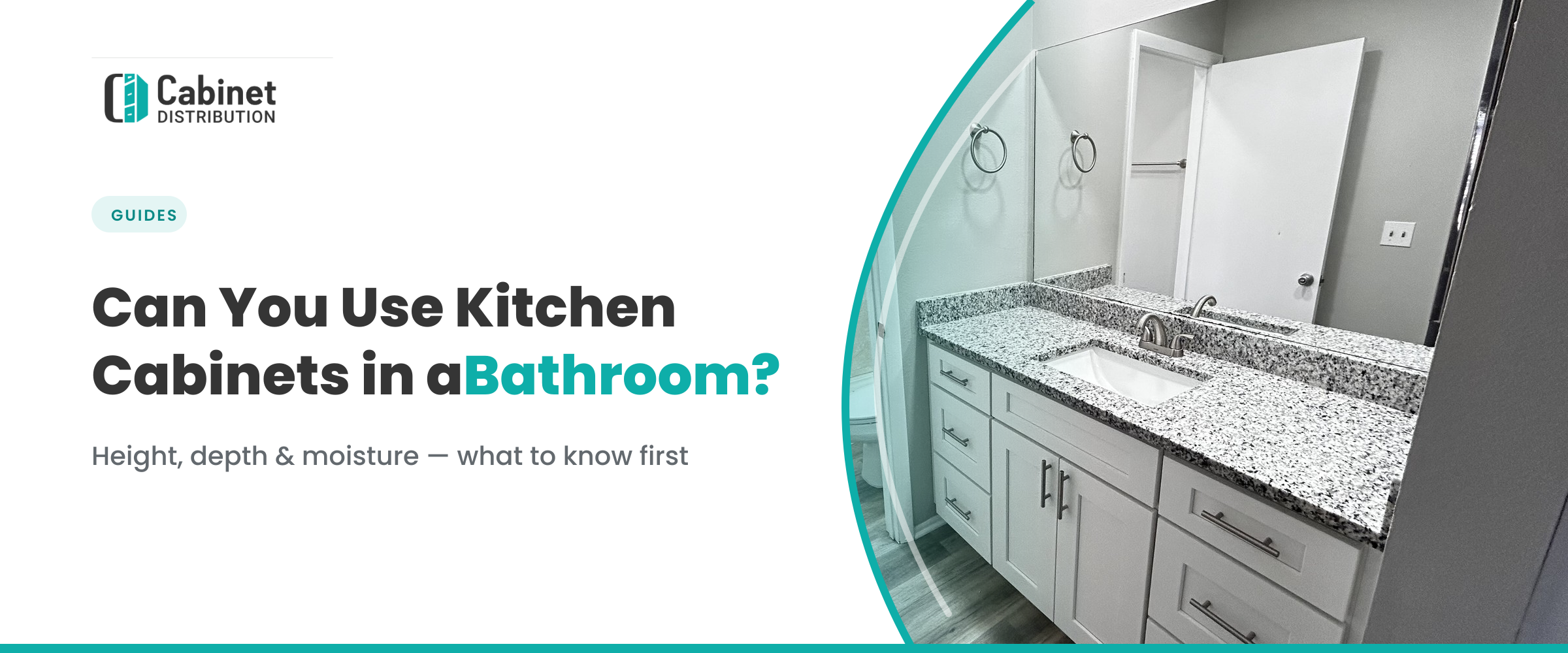 Posted: July 15, 2026Categories: GuidesRead more »
Can You Use Kitchen Cabinets in a Bathroom? What to Know First
Short answer: yes, you can use kitchen cabinets in a bathroom — plenty of people do, and it can look fantastic. But there are a few real differences between kitchen cabinets and bathroom vanities that decide whether it turns out great or turns into a regret. Get those right and you can build a custom-looking vanity for less. Ignore them and you'll be fighting an awkward height and a cabinet that swells at the base within a year.
Here's exactly what's different, when swapping in kitchen cabinets makes sense, and how to do it properly.
The three differences that actually matter
1. Height
This is the big one. Standard kitchen base cabinets sit around 34–36 inches tall with the countertop on. Traditional bathroom vanities are shorter — closer to 30–32 inches — because they were sized for kids and for leaning over a sink to wash your face.